
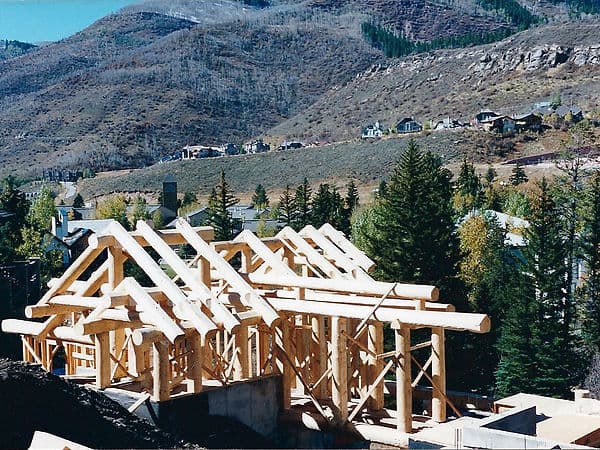
Building on rural or acreage land offers freedom, space, and connection to nature—but it also requires thoughtful planning. Here are some important considerations Steve shares from years of building homes in rural Alberta.
Understanding Your Land First
When building on rural property, the land itself becomes part of the design process. Soil conditions, drainage, wind exposure, and sunlight all influence how a home should be positioned.
Instead of forcing a design onto the land, the best approach is often to work with the landscape. This leads to homes that are easier to maintain and better suited to their environment.
Important Factors to Consider
Before construction begins, homeowners should carefully plan:
• Water supply – Many rural homes rely on wells
• Septic systems – Proper placement is essential for long-term reliability
• Access roads – Construction and year-round access must be considered
• Power and utilities – Distance from services can impact costs
Designing for Climate
Alberta weather can be demanding. A well-planned rural home should:
• Capture winter sunlight for natural heating
• Provide protection from strong prairie winds
• Use durable materials suited to cold climates
Final Thoughts
Building on acreage land takes planning, patience, and experience—but when done well, it creates a home that feels naturally connected to the landscape.
Leave a Reply