Efficient • Healthy • Sustainable
Passive Homes
Passive homes are designed to use extremely low energy for heating and cooling while maintaining a comfortable indoor environment. By combining advanced building systems with natural materials, Steve builds passive homes that are energy efficient, durable, and well suited to Alberta’s climate.
What Is a Passive Home?
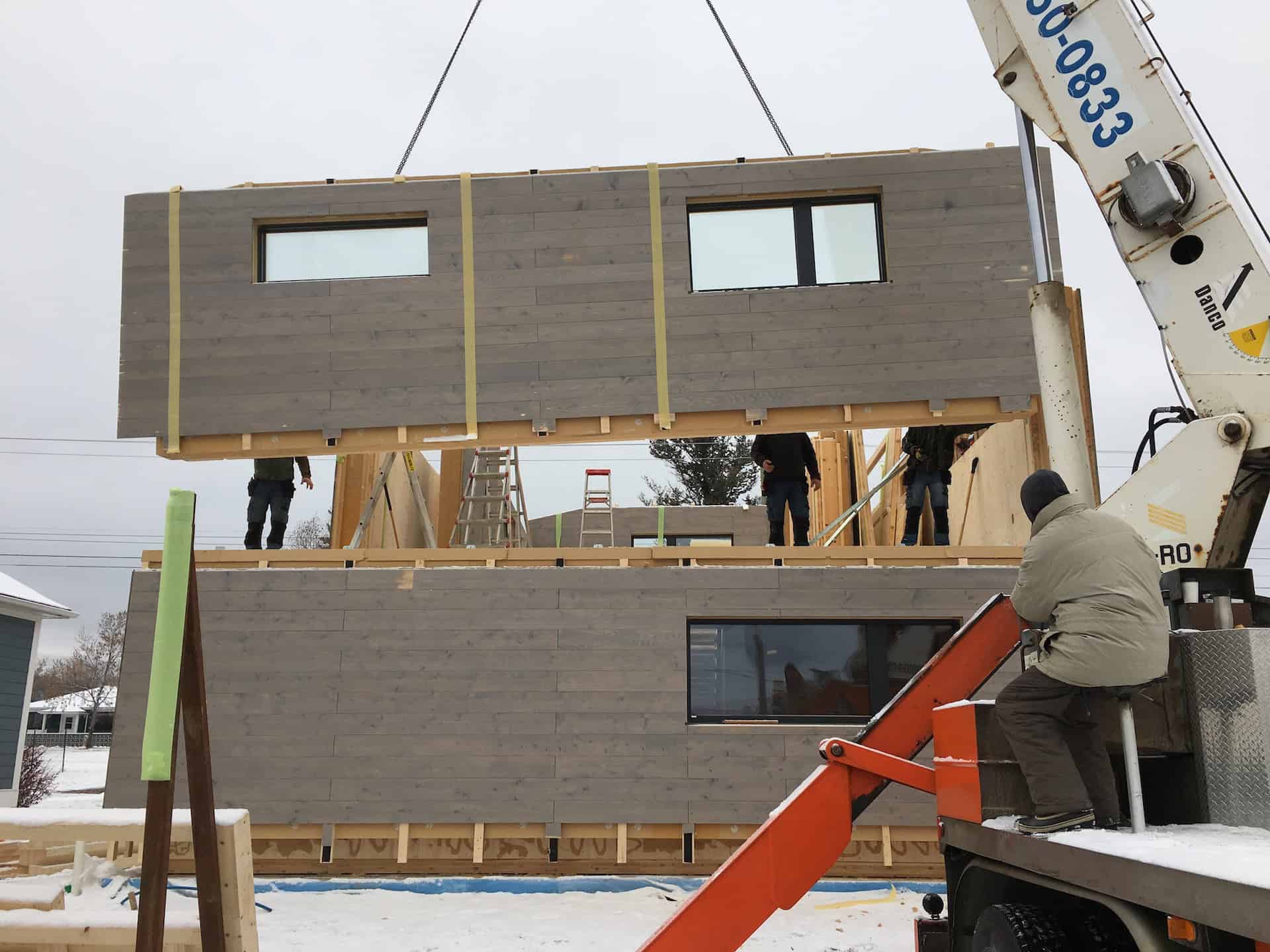
Passive homes follow a high-performance building approach focused on minimizing energy use while maintaining indoor comfort. Instead of relying heavily on heating or cooling systems, these homes are designed to retain warmth in winter and stay cool in summer.
This is achieved through excellent insulation, airtight construction, and careful building design. As a result, passive homes require far less energy to maintain comfortable indoor temperatures.
Passive homes are built to meet the Passive House Standard, an internationally recognized benchmark for creating homes that are energy efficient, comfortable, and healthy to live in.
High-Performance Building Systems
To achieve passive home performance, advanced materials and modern construction methods are used together.
Steve integrates innovative systems that improve both efficiency and environmental performance.
This includes:
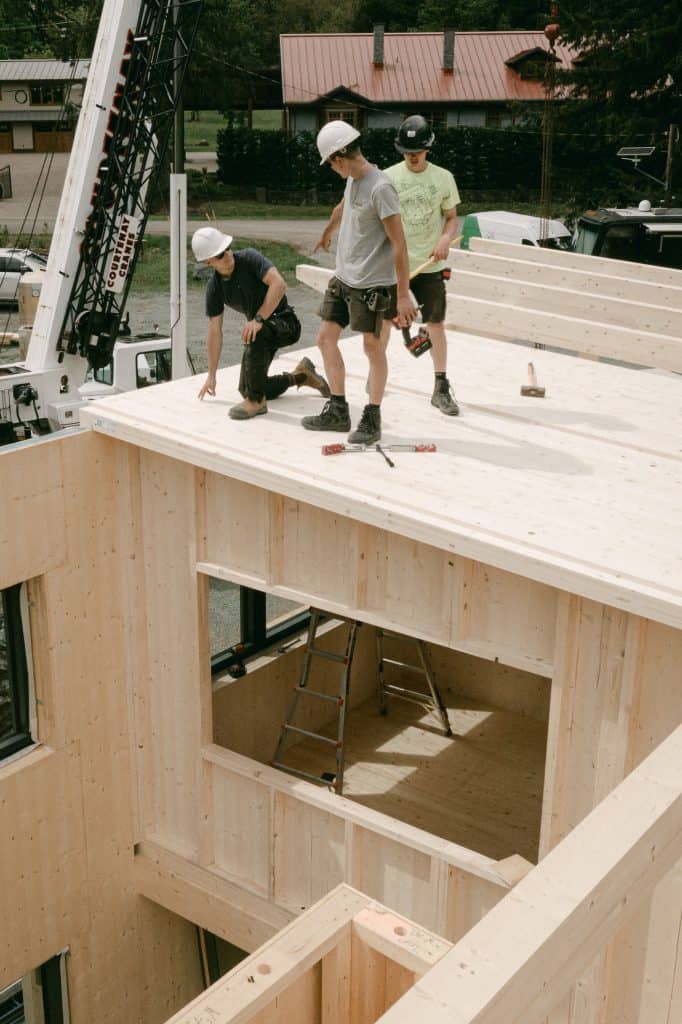
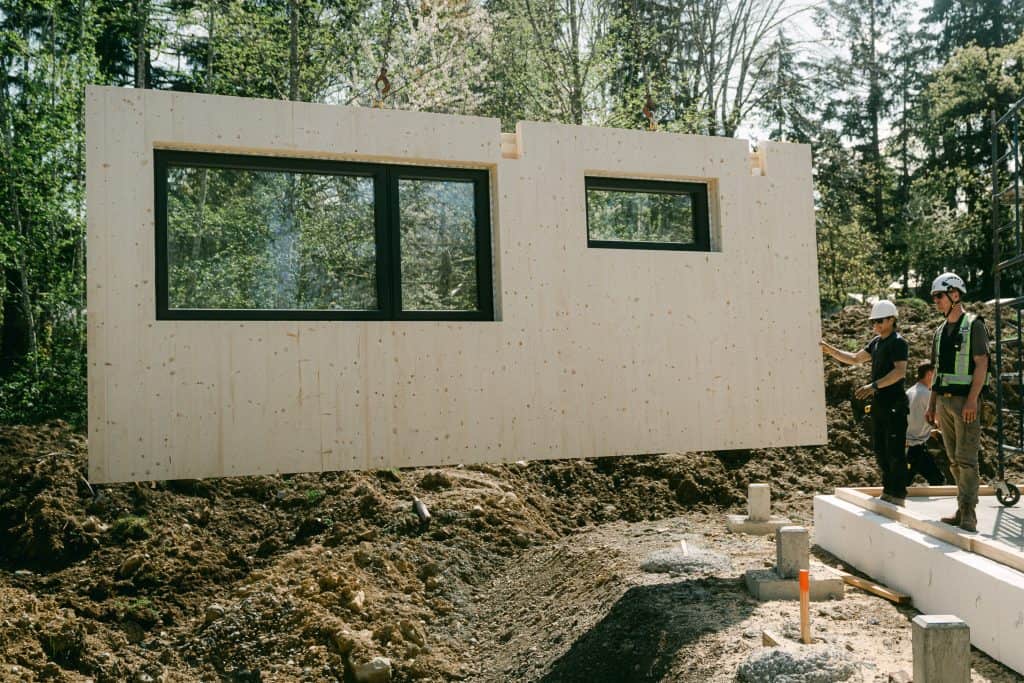
Cross Laminated Timber (CLT) – engineered solid wood panels that create extremely strong and stable building structures
Multi-story structural capability – CLT allows durable construction for both residential and commercial buildings
Wood fibre insulation systems – natural insulation materials such as TimberBatt provide excellent thermal performance
Moisture and carbon benefits – wood fibre insulation stores carbon and helps regulate indoor moisture levels
By combining these systems, passive homes achieve high performance while still using natural building materials.
Benefits of Passive Homes
Passive homes provide major advantages for homeowners looking for comfort, efficiency, and long-term sustainability.
1
Extremely Energy Efficient
Passive homes require very little energy for heating and cooling compared to conventional homes.
2
Healthy Indoor Environment
Carefully controlled ventilation systems provide fresh air and maintain balanced indoor humidity.
3
Long-Term Comfort
Excellent insulation and airtight construction keep indoor temperatures stable throughout the year.
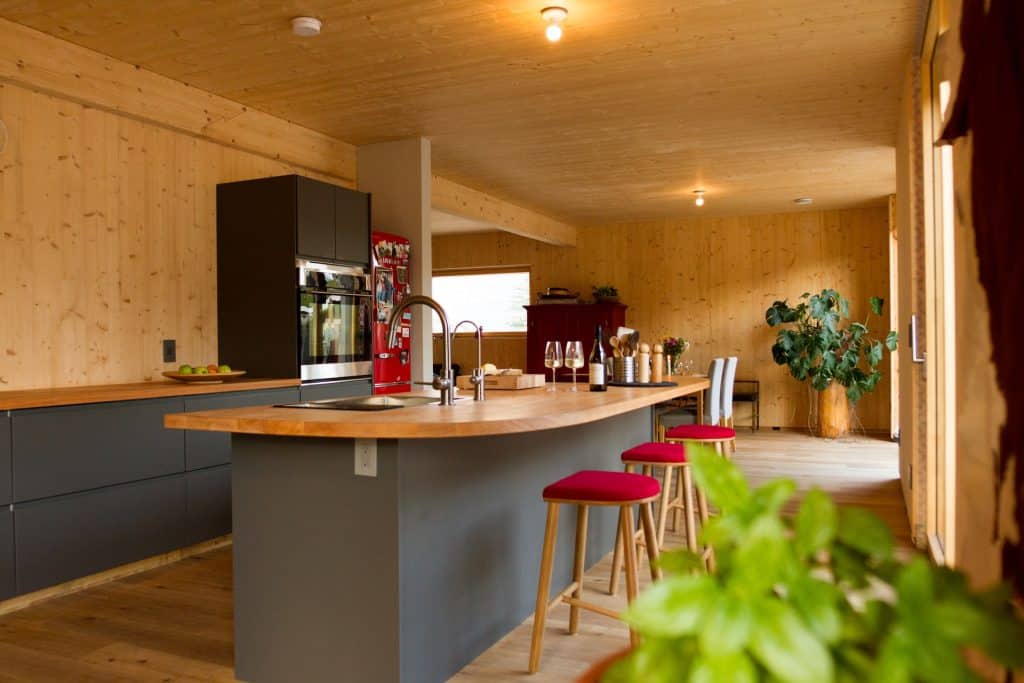
Natural Materials for Sustainable Building
One of the key approaches used in Steve’s passive home projects is combining CLT structures with wood fibre insulation. This combination creates wall systems that are strong, breathable, and energy efficient.
Wood fibre insulation products, such as TimberBatt, are made from natural materials and offer several advantages. They provide excellent insulation while also supporting environmentally responsible construction.
These materials help create homes that meet strict energy performance targets while maintaining healthy indoor environments.
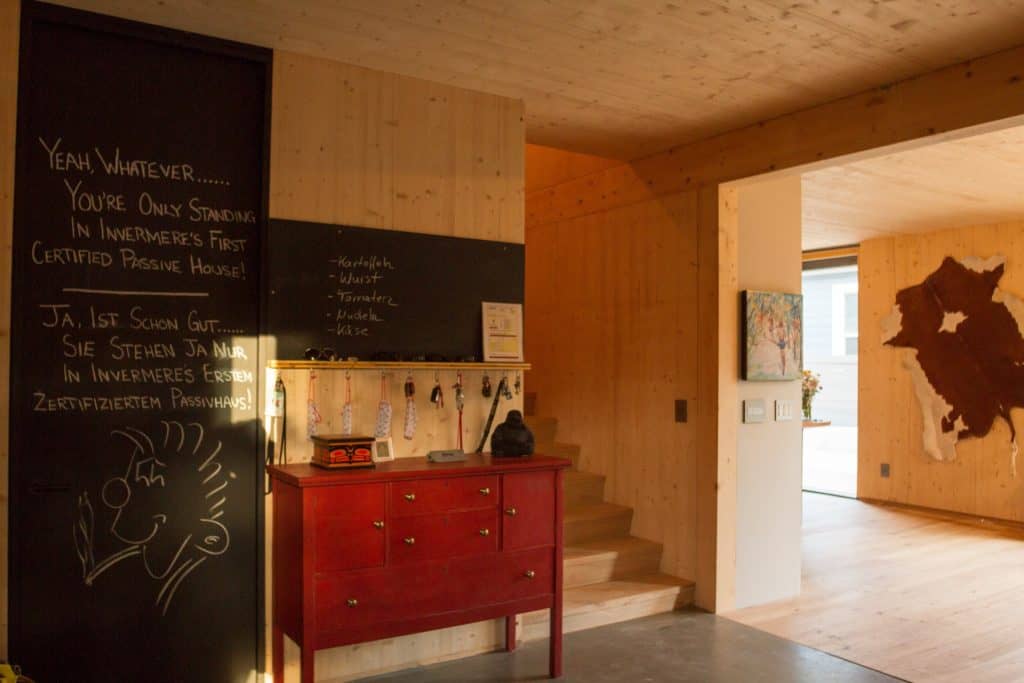
Steve’s Passive House Experience
Designing and building passive homes requires specialized training and knowledge of building science. Steve has completed professional certifications in Passive House design and construction.
His credentials include:
Certified Passive House Consultant
Certified Passive House Tradesperson
Member in good standing with Passive House Institute
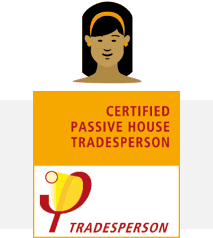
Steve continues to study and maintain his qualifications to stay current with evolving building science, energy performance standards, and new construction technologies.
His experience allows him to design homes that combine modern performance with natural building materials.
Frequently asked questions
A passive home is a building designed to use very little energy for heating and cooling while maintaining a comfortable indoor environment.
The Passive House Standard is an internationally recognized building standard focused on energy efficiency, indoor comfort, and healthy air quality.
CLT is an engineered wood product made from layers of solid wood panels bonded together to create strong structural building components.
Wood fibre insulation is a natural material that provides excellent insulation, stores carbon, and helps regulate indoor moisture.
Yes. Passive homes are especially effective in cold climates because they are designed to minimize heat loss and maintain stable indoor temperatures.
Steve combines hands-on building experience with certified Passive House training, allowing him to design and build high-performance homes that are efficient, comfortable, and environmentally responsible.
Request for quote now!
Discuss your challenges and opportunities
Whether you’re exploring a challenge or ready for a full diagnosis — we’re here to listen. No bots — just a real expert ready to talk.